


The Unstoppable Reign of Burt Reynolds in 1970s Cinema
Few Hollywood icons have captured the sheer charisma, theatrical charm, and box office magnetism of Burt Reynolds during the peak of his career in the late 1970s and early 1980s. Known for his signature mustache, playful smirk, and rugged heroics, Reynolds stood as the undisputed champion of American movie theaters for five consecutive years. Recent cinematic retrospectives have illuminated the incredible scale of his box office achievements, reminding contemporary audiences of a time when his name alone guaranteed long lines outside theaters nationwide.
During an era defined by bold auteur filmmaking and sudden blockbuster phenomenons, Reynolds managed to strike a precise balance between rebellious action and broad comedy. His projects captured the heartland of American pop culture, appealing to suburban and rural audiences alike while carving out a distinct subgenre of high-speed chase comedies and gritty crime thrillers that transformed the landscape of commercial filmmaking.
The 1977 Box Office Miracle: 'Smokey and the Bandit' Meets 'Star Wars'
In May 1977, the cinematic landscape underwent a seismic shift with the premiere of George Lucas’s Star Wars. However, while Lucas was redefining science fiction and modern blockbuster merchandising, another film emerged as an unexpected juggernaut in North American theaters: Burt Reynolds' action comedy Smokey and the Bandit. Directed by veteran stunt coordinator Hal Needham in his directorial debut, the low-budget film about a charming bootlegger hauling 400 cases of Coors beer across state lines quickly became a nationwide cultural phenomenon.
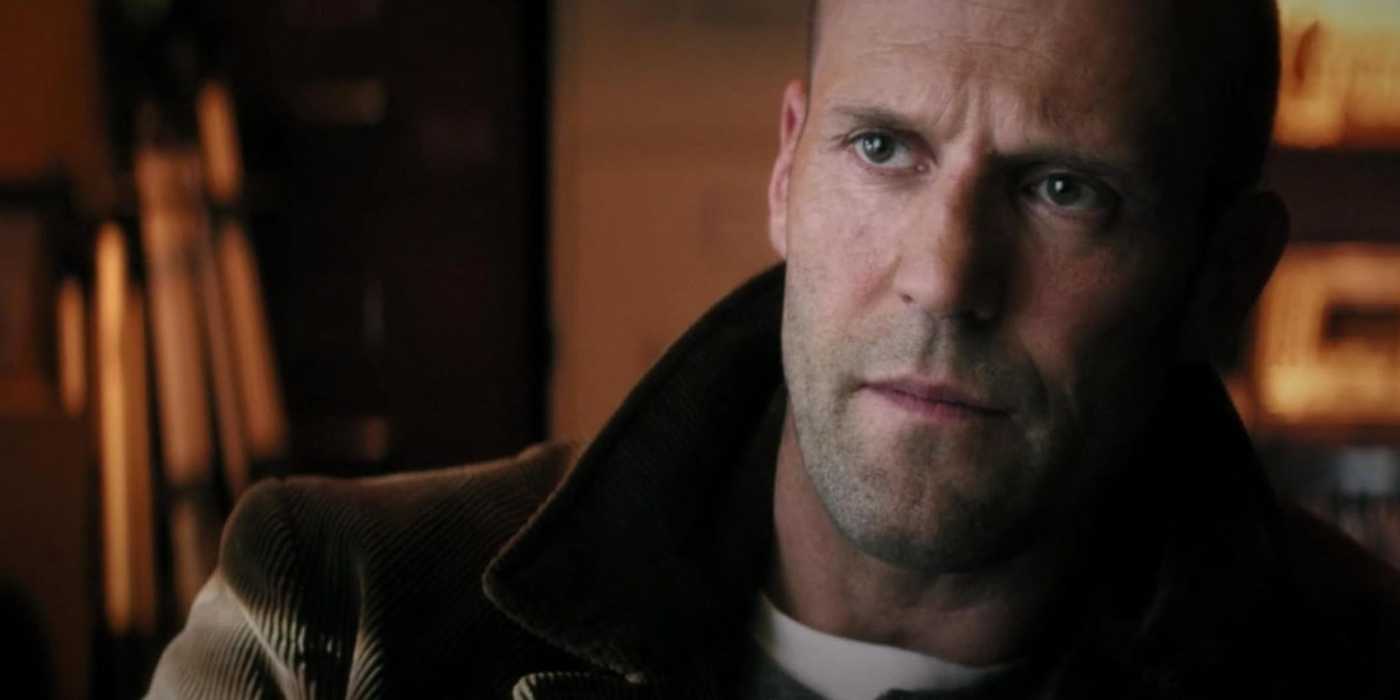
Despite opening against formidable competition and operating with a modest production budget compared to sci-fi epics, Smokey and the Bandit surged to unprecedented heights. By the end of its initial theatrical run, the film had earned over $126 million in North America alone, trailing only Star Wars as the second highest-grossing release of 1977. Film historians frequently cite this achievement as proof of Reynolds' raw star power during an era before franchise intellectual property dominated studio slates.
"Burt Reynolds possessed a rare, effortless charisma that bridged every demographic. In 1977, you were either watching lightsaber duels in deep space or watching Burt outrun law enforcement in a black Trans Am—and often, audiences were doing both in the same weekend."
Revisiting 'Heat': How Burt Reynolds Inspired Modern Action Cinema
While audiences primarily remember Reynolds for his raucous comedies such as The Cannonball Run and White Lightning, his filmography also contained dark, atmospheric hard-boiled crime thrillers. Among these was the 1986 film Heat, directed by Dick Richards and based on a screenplay by legendary writer William Goldman. In the film, Reynolds portrayed Nick "Mex" Escalante, a recovering gambling addict working as a freelance security agent in Las Vegas who dreams of saving enough money to move to Venice, Italy.
Though the original 1986 release faced production troubles and performed modestly at the box office, Goldman’s compelling story and Reynolds’ grounded performance left an indelible footprint on hard-boiled action tropes. Decades later, Hollywood revisited Goldman's narrative structure for a contemporary re-imagining starring action star Jason Statham.
'Wild Card' and the Evolution of the Reynolds Thriller Formula
In 2015, director Simon West teamed up with Jason Statham to adapt Goldman's original script once again under the title Wild Card. Re-evaluations by film critics and streaming audiences have highlighted how Statham’s modern remake leaned heavily into the core DNA created by Reynolds nearly three decades earlier. Statham brought his signature tactical fighting style to the protagonist Nick Wild, transforming Escalante’s gritty Las Vegas struggles into an intense modern thriller.
Retrospective reviews from entertainment publications like Collider and Men's Journal note that while Statham updated the fight choreography for modern standards, the narrative backbone remains fundamentally tethered to Reynolds' original anti-hero archetype. The resurgence of interest in Wild Card across digital streaming platforms has prompted a renewed appreciation for Reynolds' pioneer work in urban noir thrillers.
The Long-Term Legacy and Influence on Contemporary Filmmaking
The enduring fascination with Burt Reynolds’ filmography demonstrates the lasting appeal of mid-budget, star-driven cinematic storytelling. Current trends across streaming platforms indicate that mid-century star vehicles continue to draw significant viewership from new generations of film enthusiasts. Reynolds' ability to seamlessly pivot between high-stakes physical action and comedic timing set the blueprint for future action stars ranging from Bruce Willis to Dwayne Johnson.
- Box Office Peak: Reynolds was voted the top box office draw in the world for five consecutive years from 1978 to 1982.
- Cultural Iconography: The black Pontiac Firebird Trans Am driven by Reynolds in Smokey and the Bandit became an instant automotive icon.
- Genre Legacy: Thrillers like Heat helped redefine the hard-boiled Las Vegas narrative, influencing subsequent action-drama writing.
- Critical Recognition: Reynolds later achieved critical acclaim and a Golden Globe Award for his role in Paul Thomas Anderson's Boogie Nights (1997).
Strategic Analysis: Why Reynolds' Era Resonates Today
Industry analysts point out that today's cinematic landscape—often saturated with multi-billion dollar comic book franchises and computer-generated visual effects—creates a natural nostalgia for the organic, character-driven cinema championed by Reynolds. The practical stunt work executed by collaborators like Hal Needham laid the groundwork for modern practical-effects blockbusters such as the John Wick and Mission: Impossible series.
As studios continue to search their archives for classic intellectual property to remake or reboot, the work of Burt Reynolds stands out as a rich reservoir of classic American storytelling. Whether through streaming discoveries or high-profile remakes, the legacy of Hollywood's ultimate bandit remains as vibrant as ever.
News & Media Credits: Information and media compiled from verified reports by Men's Journal, Collider, and AOL Entertainment. Image rights retained by respective publishers.