
Executive Summary: Evaluating Golden State's Guard Dynamics
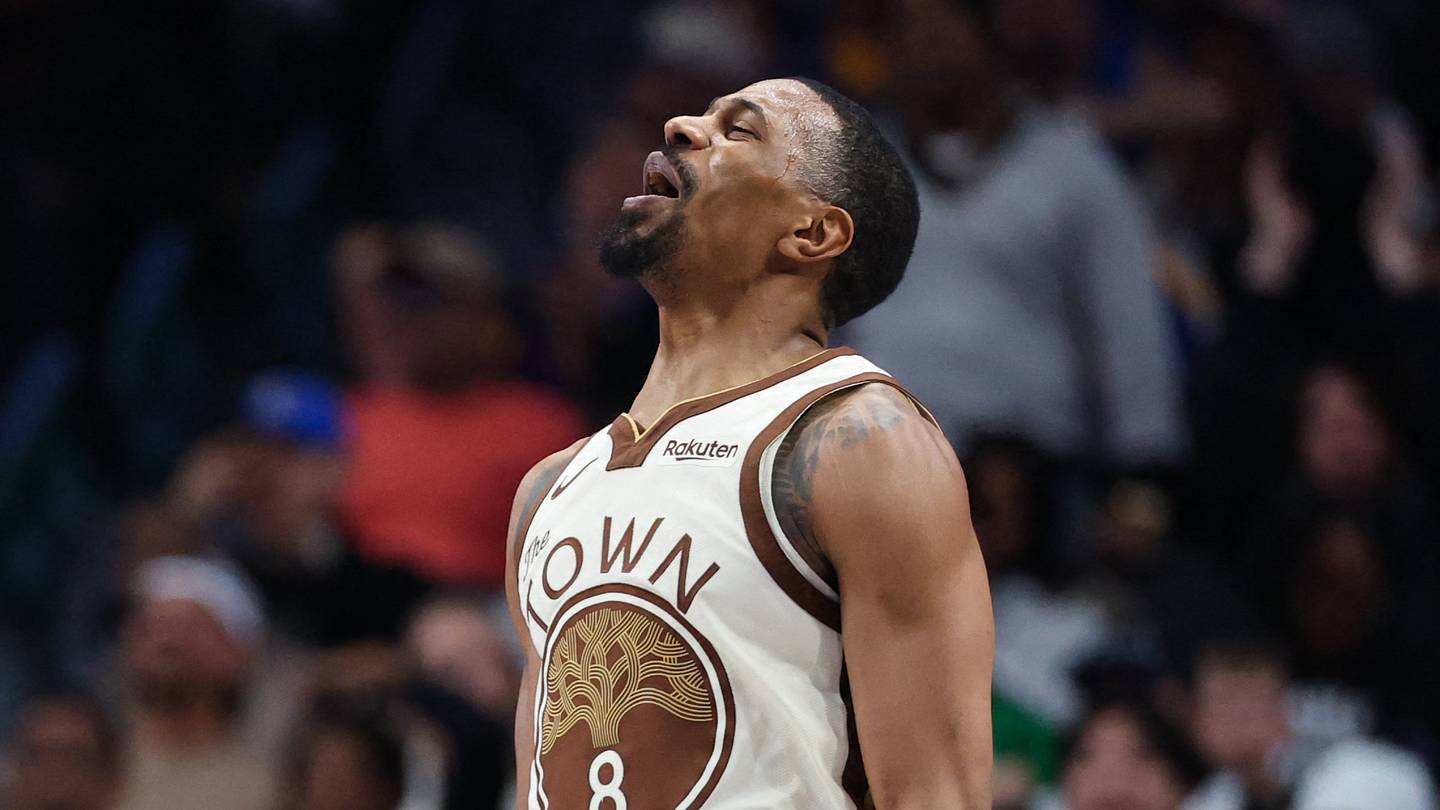
The Golden State Warriors are navigating a pivotal juncture in their season as roster construction decisions, defensive integrity, and fourth-quarter execution come under intense scrutiny. Following a startling late-game collapse against the Memphis Grizzlies—where a 17-0 unanswered scoring run turned a comfortable late lead into a 111-108 defeat—analysts and fans alike are evaluating the efficiency of the team's guard rotations. At the center of this dialogue stands free-agent acquisition De'Anthony Melton, whose fit and availability are being weighed against alternative backcourt strategies and offseason trade possibilities.
While Golden State brought in Melton to provide high-level perimeter defense, secondary playmaking, and connective passing alongside their core superstars, recent stretches have highlighted systemic vulnerabilities when shots stall and late-game execution falters. The contrast between low-usage defensive specialists and high-volume offensive creators has surfaced as a primary point of discussion across the league.
Chronology of Late-Game Missteps
Golden State's recent performance against Memphis served as a sharp microcosm of their current structural challenges. Entering the closing minutes with what appeared to be a firm grip on the contest, the Warriors experienced a sudden and complete offensive freeze. The Grizzlies leveraged aggressive pressure, converting defensive rebounds and turnovers into quick transitions to mount a stunning 17-0 run.
- Mid-Fourth Quarter: Golden State maintained a multi-possession buffer, controlling the tempo through deliberate half-court sets.
- The Turning Point: A sequence of missed perimeter attempts and defensive miscommunications allowed Memphis to generate momentum, anchored by clutch late shots including a decisive jumper from rookie sensation Cameron Boozer.
- Final Horn: Memphis secured a 111-108 victory, completing one of the most drastic late-game turnarounds of the regular season and extending Golden State's recent woes in close contests.
The defeat marked another entry in a concerning trend for the Warriors, who have struggled to execute clean crunch-time offense when opposing defenses dial up physical full-court pressure.
Roster Strategy: De'Anthony Melton vs. Offseason Alternatives
When the Warriors finalized their offseason approach, management emphasized perimeter stopping power and tactical flexibility over raw offensive firepower. By integrating De'Anthony Melton, Golden State sought a versatile guard capable of disrupting opposing ball-handlers while operating as a reliable spot-up threat within Steve Kerr's motion offense.
"When you build a backcourt, you are balancing offensive creation against defensive connectivity. If the shots aren't falling and the defensive perimeter breaks down, every strategic decision gets re-examined instantly."
However, media reports and sports analysts have frequently contrasted the decision to sign Melton with other potential pathways the franchise explored, including high-scoring guard prospects like Anfernee Simons. While Simons represents explosive, off-the-dribble scoring capability that can break down set defenses late in clock cycles, Melton offers a multi-positional defensive toolkit designed to balance the lineup.
Comparing Backcourt Methodologies
The philosophical divide between prioritizing defense versus dynamic scoring is now playing out in real-time:
- Defensive Impact: Melton's track record as an elite deflections leader and perimeter menace provides immediate utility against elite Western Conference scoring guards.
- Offensive Load: Without secondary dynamic creators on the floor, the offensive burden falls heavily on Golden State's primary orchestrators, making the team susceptible to lengthy scoring droughts when primary options are blitzed or denied.
- Roster Flexibility: Choosing flexible role players over maximum-salary offensive options was intended to preserve financial flexibility while keeping rotation channels open for emerging young talent.
Tactical Breakdown & Future Outlook
For Golden State, resolving these structural issues is not simply a matter of swapping individual players, but rather fine-tuning operational chemistry and late-game execution. Steve Kerr's system relies heavily on read-and-react principles, off-ball movement, and unselfish passing. When fatigue sets in during the fourth quarter, opponent adjustments often force individual isolation plays—an area where Golden State has occasionally sputtered.
What Happens Next?
As the regular season progresses toward the postseason push, the Warriors face several urgent priorities:
- Stabilizing Crunch-Time Rotations: Identifying line-ups that combine elite perimeter defense with sufficient spacing and shot creation to handle aggressive blitzes.
- Maximizing Melton's Utilization: Integrating Melton into specialized defensive packages while designing clearer movement patterns to maximize his spot-up shooting efficiency.
- Managing Player Load: Ensuring veteran leaders remain fresh for late-game sequences where structural discipline is paramount.
Whether Golden State's backcourt strategy will ultimately yield deep postseason success depends heavily on their ability to execute down the stretch and eliminate game-ending scoring droughts. The ongoing evaluation of De'Anthony Melton's role will remain a defining storyline as management assesses the team's championship window.
News & Media Credits: Information and media compiled from verified reports by Blue Man Hoop, ESPN, and NBA.com. Image rights retained by respective publishers.