


Executive Summary: Strong Returns and Strategic Resilience
Singapore Airlines Limited (SIA) has reinforced its position as a benchmark for commercial aviation excellence after formally approving both a final dividend and a special dividend for the financial year ended March 31, 2026. The shareholder approvals reflect sustained profitability, prudent balance-sheet management, and robust global passenger yields following a multi-year surge in long-haul international travel.
As passenger traffic remains strong across key intercontinental corridors, the flag carrier continues to refine its premium cabin offerings and fleet strategy. The airline's operational decisions highlight a growing sector trend: navigating high demand for long-haul connectivity while managing evolving customer expectations regarding premium seating and long-range comfort.
Financial Milestones: Dividend Approvals Signal Profitability
In official corporate updates, Singapore Airlines confirmed the shareholder authorization of two key payout structures for the financial year ended March 31, 2026. The airline approved a final dividend alongside an additional special dividend, rewarding shareholders following a lucrative operating cycle driven by steady capacity restoration, disciplined cost controls, and strong cargo and passenger traffic yields.
The declaration of a special dividend in addition to the standard final dividend demonstrates SIA's robust capital structure and healthy cash generation. Industry analysts note that SIA's proactive strategy in re-establishing its intercontinental network post-pandemic positioned it ahead of many regional competitors, enabling the company to capture lucrative premium traveler market share early in the recovery phase.
"The approval of both final and special dividends underscores the resilient commercial model of Singapore Airlines and its capability to generate sustainable value even amidst fluctuating fuel prices and global economic shifts."

Ultra-Long-Haul Network and the Premium Seating Debate
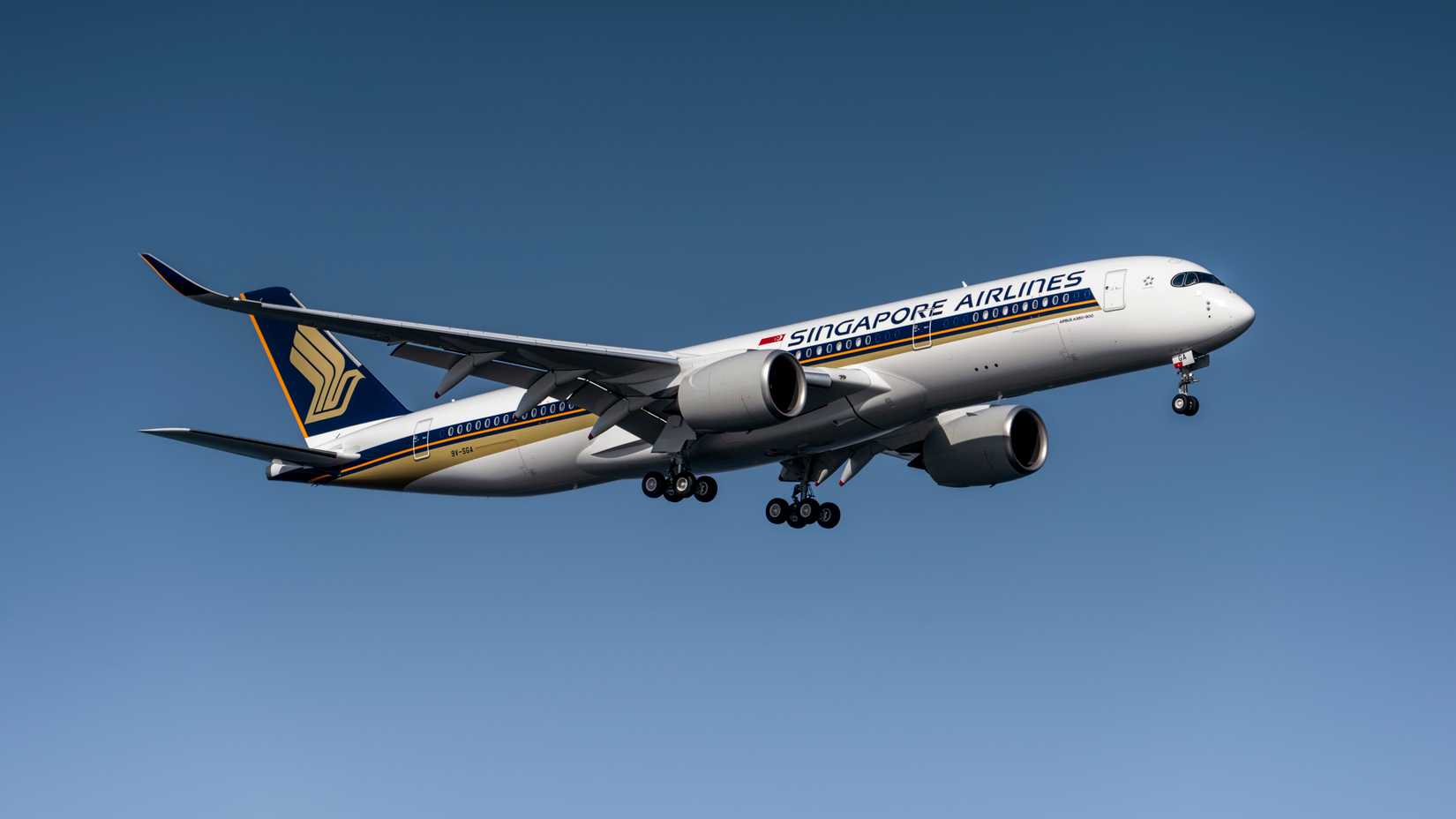
Central to Singapore Airlines' high-yielding commercial strategy is its flagship fleet of specialized aircraft, including the Airbus A350-900ULR (Ultra Long Range). SIA operates some of the world's longest non-stop commercial flights, connecting Singapore Changi Airport to key North American destinations such as New York (JFK and Newark) and Los Angeles.
These ultra-long-haul journeys, lasting up to 18 to 19 hours, require specialized cabin configurations. SIA famously chose to eliminate standard Economy class on its A350-900ULR fleet, offering an exclusive layout divided entirely between Business Class lie-flat seats and Premium Economy recliner seats.
However, aviation experts and frequent travelers have increasingly analyzed the comfort thresholds on ultra-long-haul sectors. While Premium Economy provides elevated legroom, extra pitch, and enhanced meal services compared to standard economy cabins, industry observations suggest that on flights surpassing 15 to 16 hours, passenger demand shifts sharply toward fully lie-flat seating. Travelers seeking restful sleep during marathon ocean-crossing flights frequently evaluate whether a recliner seat provides adequate ergonomics or if a lie-flat Business Class bed is essential for wellness upon arrival.
Global Competition at Major Hubs
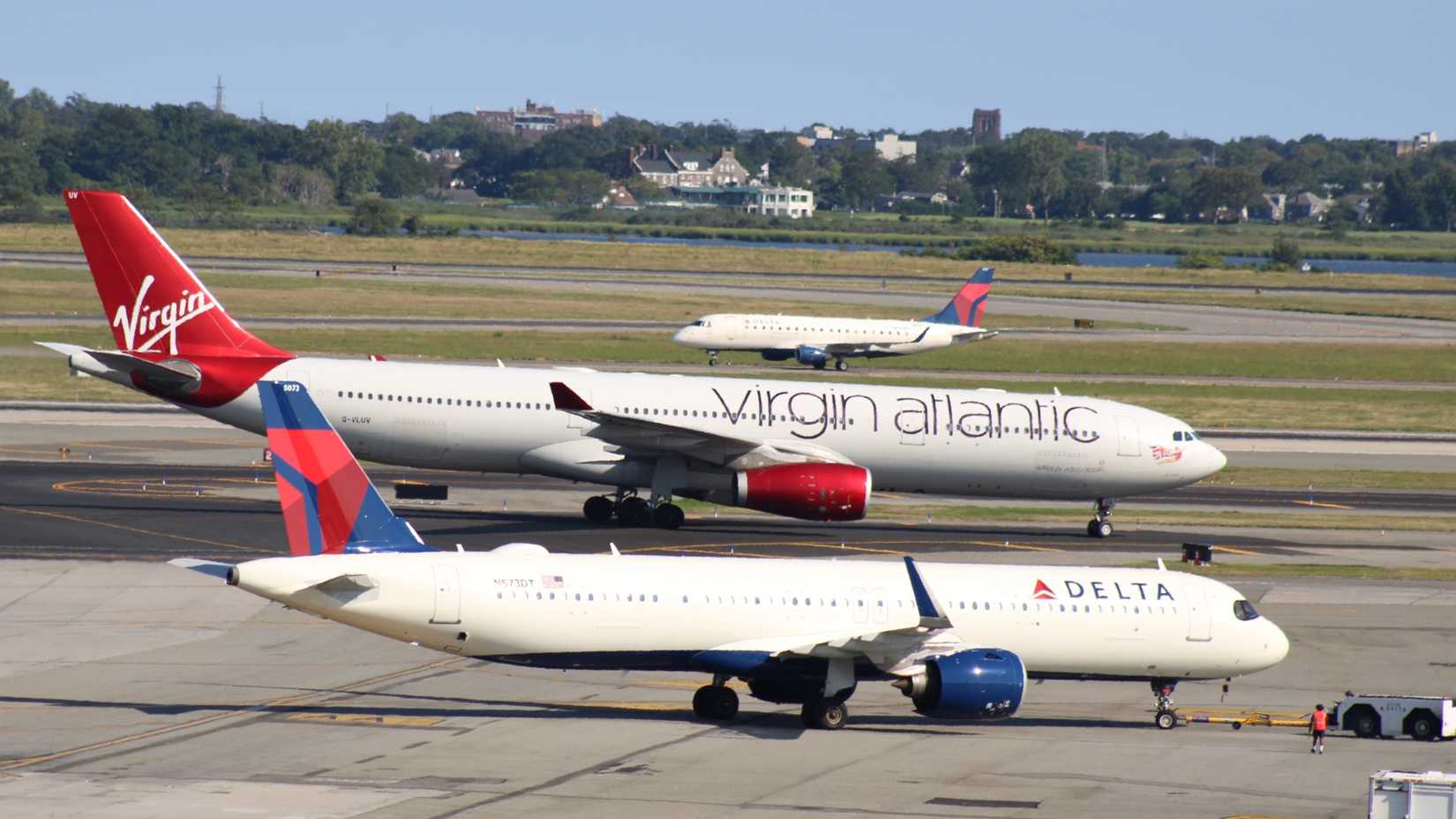
The operational landscape for international long-haul carriers remains intensely competitive at world-class hubs like New York JFK, London Heathrow, and Tokyo Haneda. As legacy airlines across North America and Europe upgrade their own premium international products, maintaining passenger loyalty demands continuous innovation in hard products and soft service excellence.

Airlines operating transatlantic and transpacific networks are watching premium consumer habits closely. Premium Economy has emerged as one of the most profitable cabin sections per square foot for major global airlines. However, as non-stop routes stretch further across the globe, carrier product teams are forced to balance seat density against passenger physical requirements on 18-hour journeys.
Market Outlook and Long-Term Strategy
Looking ahead, Singapore Airlines remains well-positioned to leverage its brand power, modern fuel-efficient fleet, and strategic hub location in Southeast Asia. Capital expenditure continues to be channeled into next-generation cabin retrofits, sustainability initiatives, and fleet modernization projects aimed at reducing carbon intensity per seat-kilometer.
With strong dividend distributions now formalized and financial metrics remaining robust, SIA enters the second half of the decade as a primary benchmark for how full-service premium international carriers can maintain profitability while delivering world-class customer experiences across complex global route networks.
News & Media Credits: Information and media compiled from verified reports by MarketScreener and Simple Flying. Image rights retained by respective publishers.