

Executive Summary: Unprecedented Demand Meets Scheduling Gridlock
An extraordinary surge in fan engagement and commercial growth for the WNBA has triggered an unprecedented logistical predicament on basketball's biggest stage. The league and local arena operators are scrambling to determine both the date and venue for Game 6 of the highly anticipated WNBA Finals featuring the Golden State Valkyries and the Atlanta Dream.
While the championship series has delivered historic viewership numbers and record-setting attendance across earlier games, the operational infrastructure in Atlanta is currently stretched to its limits. A combination of existing venue bookings, facility size limitations, and surging secondary market demand has forced league executives, municipal stakeholders, and television broadcast partners into emergency negotiations to finalize a playing facility.
The Arena Conflict: Gateway Center vs. State Farm Arena
At the center of the dispute is a stark contrast in venue capacity and prior scheduling commitments. The Atlanta Dream naturally play their primary home schedule at the Gateway Center Arena at College Park, a modern facility with a capacity of approximately 3,500 seats. However, given the explosive interest surrounding the WNBA Finals, demand for tickets has outstripped Gateway Center's capacity by tens of thousands of requests.
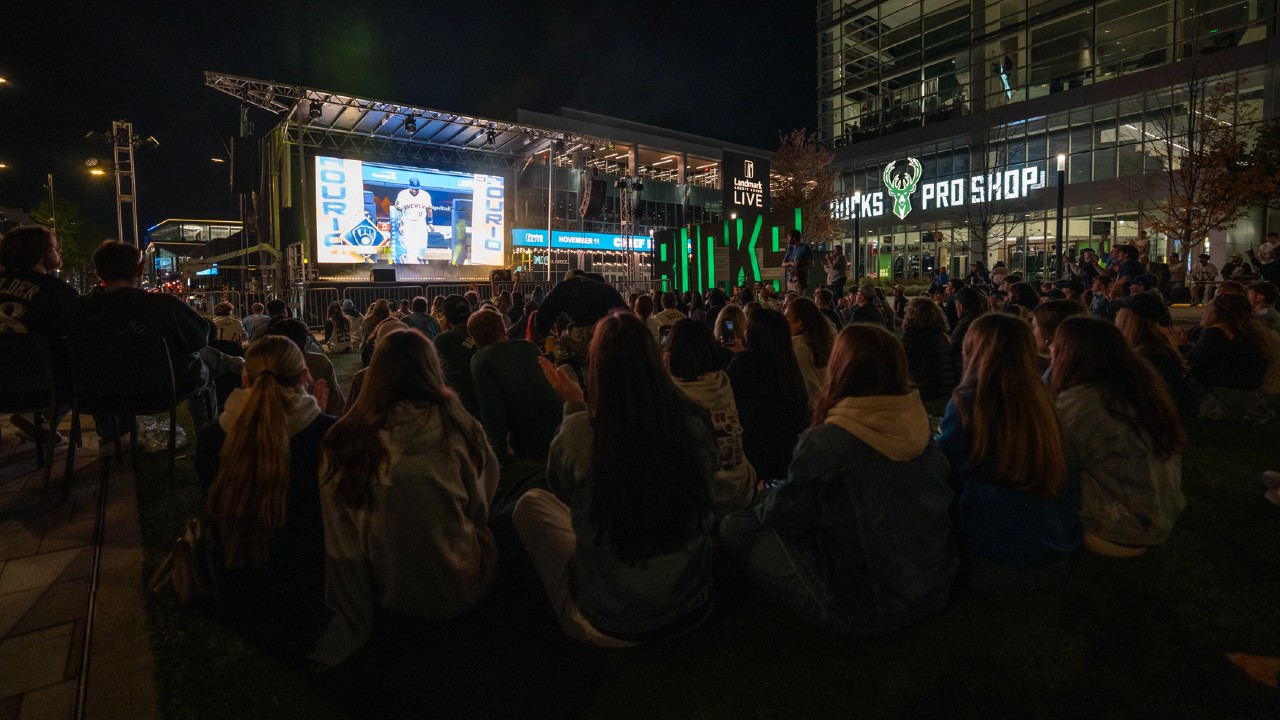
To accommodate larger postseason crowds, discussions initially centered on moving Game 6 to downtown Atlanta's State Farm Arena, home to the NBA's Atlanta Hawks, which seats more than 16,000 spectators. However, conflicting concert dates, preexisting entertainment events, and broadcast setup requirements at State Farm Arena have severely complicated scheduling efforts.
Detailed Timeline of Postseason Scheduling Friction
The operational challenges leading up to Game 6 have built up over several weeks as postseason momentum escalated rapidly:
- Initial Playoff Announcements: The WNBA outlined provisional dates for the postseason, noting potential venue modifications based on attendance benchmarks and broadcast requirements.
- Surging Ticket Demand: As the Atlanta Dream advanced through earlier rounds, interest reached historic peaks, prompting local officials to evaluate larger alternative venues across the metropolitan area.
- Finals Series Progression: Strong performances by the Golden State Valkyries pushed the series toward a critical Game 6 requirement, narrowing the window for arena operations to resolve scheduling conflicts.
- Emergency Standoff: Less than 48 hours before the projected tip-off window, league representatives, arena executives, and television networks engaged in continuous discussions without a finalized time or facility.
Stakeholder Statements & Official Commentary
The uncertainty has drawn intense commentary from league executives, franchise leadership, and player union representatives, all seeking a balance between commercial optimization and player performance conditions.
"We are working tirelessly with both franchise organizations, local municipal leaders, and arena managers to ensure this critical Finals game takes place in an environment worthy of our players and our extraordinary fanbase. Our priority remains safety, accessibility, and operational excellence."
Player representatives have stressed the importance of timely resolution to prevent physical strain and disruption to training regimens. Broadcast partners have also emphasized the necessity of guaranteeing prime-time broadcast slots during a highly competitive autumn sports television landscape.
Contextual Background: Women's Sports Commercial Boom
The venue dilemma highlights the broader economic transformation occurring across professional women's sports. Over the past three seasons, the WNBA has experienced exponential growth in television ratings, merchandise sales, and corporate sponsorships. Expansion teams like the Golden State Valkyries have further amplified national audience reach and regional ticket competition.
Historically, mid-sized venues provided ideal intimacy and atmosphere for league franchises. However, as fanbase expansion accelerates, existing mid-size arenas are increasingly inadequate for major marquee events like the WNBA Finals. Industry analysts point out that this current scheduling friction is a clear symptom of rapid, structural market growth outpacing legacy facility arrangements.
Strategic Analysis & Potential Outcomes
League officials and team managers are actively exploring three primary potential pathways to resolve the Game 6 impasse:
- Option A: Alternate Date at State Farm Arena: Shifting the game date by 24 to 48 hours to clear existing arena holds, allowing the contest to take place in front of a capacity crowd exceeding 16,000 fans.
- Option B: Optimized Configuration at Gateway Center Arena: Maintaining the scheduled calendar date at College Park while optimizing security parameters, temporary seating additions, and broadcast footprint setups.
- Option C: Neutral Regional Venue: Utilizing an alternative major indoor arena within the broader regional footprint equipped for immediate high-density sports broadcasting.
Looking Ahead: Systemic Infrastructure Upgrades
Regardless of the immediate solution for Game 6, this high-profile scheduling bottleneck is expected to influence future WNBA arena policies and playoff venue mandates. Industry insiders anticipate that future franchise agreements and postseason regulations will require explicit multi-year venue availability contingencies for major metropolitan arenas.
As teams prepare on the court despite off-court uncertainty, fan interest remains at an all-time high, guaranteeing that whichever venue hosts Game 6 will witness an unforgettable chapter in women's basketball history.
News & Media Credits: Information and media compiled from verified reports by ESPN, The New York Times, and Yahoo Sports. Image rights retained by respective publishers.