
Executive Summary: A Polarizing Animated Phenomenon Captures National Attention
In an era dominated by large-budget mythological epics and polished commercial franchises, an unexpected indie animated feature titled Niu Lai (牛来) has surged into the spotlight of the Chinese film industry. Surpassing 2 million RMB ($280,000 USD) in cumulative box office revenue, the low-budget animated feature has sparked a massive wave of online discussions, dividing viewers between outright laughter and ethical skepticism. The film's abrupt rise to viral status has generated intense debates on social media, drawn international curiosity from foreign observers, and ignited rumors regarding sudden theater removals in major metropolitan areas like Dalian.
As audiences flock to theaters to experience what many describe as a surreal cinematic experiment, industry experts view the project as a critical barometer for artistic diversity within domestic animation. Official authorities and industry representatives have stepped forward to address rampant online speculation, reinforcing a message of calm while celebrating the burgeoning pluralism of China's creative media space.
Box Office Milestone and Audience Reactions
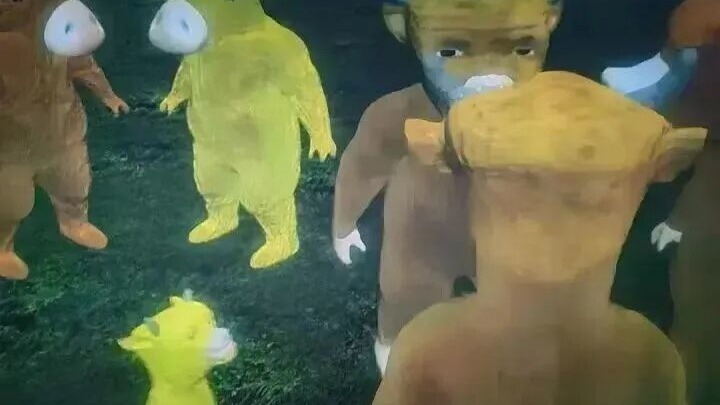
Crossing the 2 million yuan mark is a significant milestone for a project with unconventional narrative aesthetics and modest marketing backing. Unlike mainstream blockbusters that rely on heavily polished 3D CGI and traditional moral arcs, Niu Lai relies on bizarre situations, dark comedy, and avant-garde character design. This stylistic gamble has resonated powerfully with younger moviegoers looking for fresh, unpredictable storytelling.
Viewer reaction across major social and review platforms has been intensely divided, giving birth to viral catchphrases and endless internet memes. The defining sentiment among audiences reflects a bizarre tension between humor and conventional sensibilities.
"Watching 'Niu Lai' feels like my moral compass and my sense of humor are engaged in a full-blown wrestling match. You know you shouldn't laugh at certain absurdity, yet the theater is erupting with non-stop laughter."
This dissonance has driven immense organic word-of-mouth marketing. Screenings in major tier-one and tier-two cities reported strong evening occupancy rates, driven almost entirely by online curiosity and social media challenges prompting viewers to test their tolerance for the film's edgy, absurd comedic tone.
The Dalian Theater Pullout Controversy and Official Response
As interest in the film reached a fever pitch, speculation surfaced across short-video platforms and forum networks claiming that several cinema chains in Dalian, Liaoning Province, had abruptly pulled Niu Lai from their screening schedules due to content sensitivities. The rumors spread rapidly, generating millions of views and triggering heated discussions about censorship, regional venue policies, and artistic freedom.
In response to the growing wave of conjecture, official industry channels and regional authorities issued public statements urging citizens to practice restraint and reject unverified rumors. According to official reports, adjustments to theatrical scheduling are standard commercial practice based on local ticket demand, auditorium capacity, and distributor agreements rather than sweeping administrative bans.
"Do not believe rumors, and do not spread rumors. The flourishing of diverse artistic styles and varied content forms is precisely what the forward momentum of our industry looks like. The future of Chinese animated cinema remains immensely bright."
Industry regulators emphasized that standard market mechanisms should dictate film lifespans in theaters, cautioning social media creators against amplifying unverified claims purely for clickbait engagement.
International Interest and Overseas Media Coverage
The viral sensation surrounding Niu Lai has extended far beyond domestic borders. Foreign technology and pop-culture outlets have picked up on the story, framing the movie as a fascinating case study in niche subcultures penetrating mainstream awareness in contemporary China. International commentators have characterized the film's success as an example of global internet culture where absurdism and transgressive comedy break through traditional genre boundaries.
Overseas entertainment bloggers and industry analysts noted that while big-budget hits like Nezha and Monkey King: Hero Is Back established China's capability in grand fantasy animation, smaller niche works like Niu Lai indicate a maturing ecosystem capable of supporting experimental art-house and cult animated cinema.
Strategic Analysis: What 'Niu Lai' Means for the Future of Animation
The trajectory of Niu Lai offers valuable strategic insights for directors, production houses, and distributors in China's evolving media marketplace:
- Validation of Subculture Economics: Achieving multi-million yuan revenue demonstrates that micro-budget productions targeting dedicated subcultures can deliver high return-on-investment without relying on massive promotional campaigns.
- The Double-Edged Sword of Viral Marketing: While shock value and absurdism generate initial online engagement, they also risk regulatory scrutiny and public misunderstanding if rumors misrepresent market realities.
- Diversification of Narrative Forms: Audiences are increasingly open to non-traditional visual styles, encouraging younger animators to explore original artistic concepts rather than copying established cinematic formulas.
As Niu Lai continues its theatrical run and prepares for eventual digital streaming release, its cultural impact serves as a testament to the unpredictable nature of contemporary audience tastes. Whether viewed as an avant-garde masterpiece or a temporary internet fad, the film has cemented its place in the 2026 animation narrative.