

Executive Summary: Paul Mescal’s Monumental Ascent to Hollywood Stardom
The meteoric rise of Irish actor Paul Mescal represents one of the most remarkable career trajectories in modern international cinema. From his breakout role as Connell Waldron in the television adaptation of Sally Rooney’s Normal People to earning an Academy Award nomination for Aftersun, Mescal has consistently demonstrated rare dramatic depth and gravitas. However, his casting as Lucius Verus in Ridley Scott’s historical epic Gladiator II marked a decisive transition from critically acclaimed independent cinema into the stratosphere of major global blockbusters.
As audiences and industry analysts dissect the performance and commercial footprint of Gladiator II, Mescal’s evolving status touches upon critical discussions within both the entertainment business and broader cultural commentary. Taking on the mantle of an iconic cinematic universe decades after Russell Crowe’s legendary performance required not only formidable physical preparation but also the nuanced acting caliber capable of anchoring a blockbuster budgeted at over two hundred million dollars.
From Indie Darling to Leading Man: The Evolution of Paul Mescal
Paul Mescal's ascent has been defined by strategic artistic choices. Unlike many actors who transition rapidly into comic book franchises or formulaic action vehicles, Mescal built a foundation on intimate character studies. His performance in Charlotte Wells’ Aftersun showcased a delicate vulnerability that earned him critical adulation across film festivals worldwide. That emotional range proved pivotal when director Ridley Scott sought an actor capable of delivering both muscular physicality and psychological intensity for the sequel to his 2000 Best Picture winner.
"Paul Mescal possesses a rare, grounded authenticity that bridges intimate indie realism with the command required of a classic Hollywood leading man."

In Gladiator II, Mescal plays Lucius, the son of Lucilla, who returns to the brutal Colosseum under tumultuous political circumstances. The role demanded that Mescal shoulder the immense legacy of the original film while establishing a distinct screen presence. Critics highlighted his ability to channel raw fury alongside internal conflict, reassuring studios that younger dramatic actors can successfully headline massive cinematic intellectual properties.
Contextualizing Legacy Sequels: High Stakes in Modern Cinema
The enterprise of creating a sequel to a beloved cinematic masterpiece is fraught with creative and commercial risks. History offers notable benchmarks where follow-up chapters not only matched but surpassed their predecessors in artistic resonance and box office success. When evaluating high-profile sequels in movie history, film historians often reference groundbreaking titles that set gold standards for continuation storytelling.

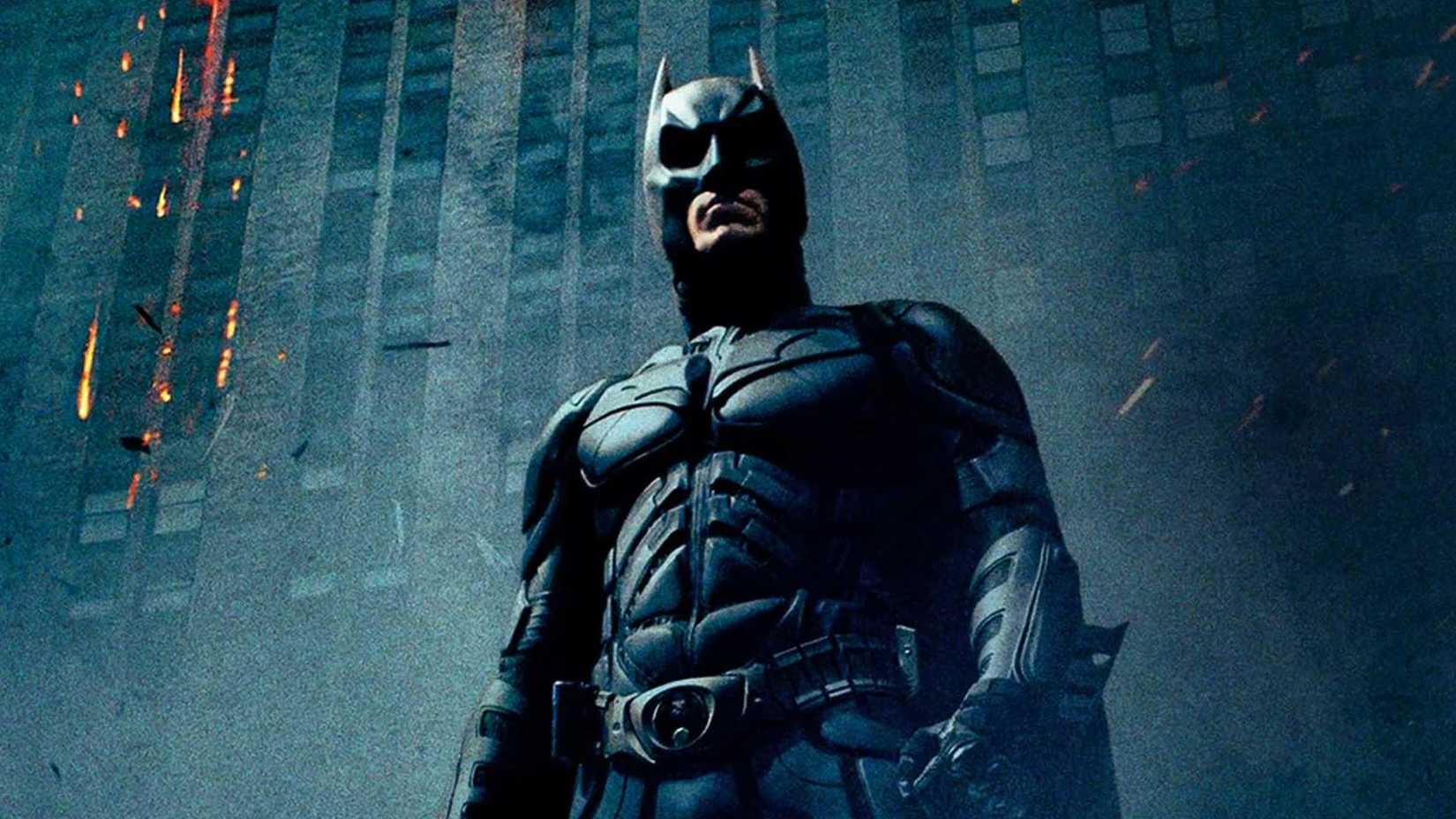
Masterpieces such as Christopher Nolan’s The Dark Knight demonstrated how a second installment could reframe an entire genre, elevating comic book storytelling into prestige crime drama. Similarly, James Cameron’s Terminator 2: Judgment Day expanded the emotional and technological boundaries of its original narrative, creating an indelible imprint on pop culture history.
For Gladiator II, competing with such lofty standards presented a formidable challenge. While capturing the visceral grandiosity of ancient Rome, Ridley Scott and Mescal aimed to craft a compelling narrative arc that justified revisiting the franchise after twenty-four years. The discourse surrounding the film has reignited debates among cinephiles regarding what elevates a legacy sequel from a commercial exercise into enduring art.
Economic Standing and Cross-Industry Influence
Beyond the movie screen, Paul Mescal’s growing prominence has catalyzed significant interest across commercial and media sectors. His elevated profile has drawn comparisons in business circles regarding cultural capital and brand equity. As reports in financial and cultural outlets have noted, Mescal's international standing now places him among the most commercially valuable artistic exports from Ireland, sharing public attention with high-profile business figures and global innovators.

This commercial resonance extends into major fashion house endorsements, theater box office records in London’s West End—where his portrayal of Stanley Kowalski in A Streetcar Named Desire drew rapturous praise—and high-yield talent packages for upcoming feature films. Industry insiders note that Mescal’s rare cross-over appeal enables him to command premium compensation while retaining artistic independence over his project selection.
Key Industry Takeaways & Future Outlook
As the film industry continues to navigate shifting theatrical dynamics, the performance of top-tier talent like Paul Mescal offers valuable insights into the future of movie stardom. Several key developments highlight this trajectory:
- Strategic Diversity: Mescal continues to balance high-budget studio blockbusters with auteur-driven independent projects, ensuring long-term career longevity.
- Global Box Office Power: His involvement in Gladiator II proved his ability to draw international audiences across North America, Europe, and emerging film markets.
- Next Generation Leadership: Alongside contemporaries like Timothée Chalamet and Zendaya, Mescal forms part of a new core of young actors capable of driving original and legacy projects alike.
- Expanding Horizons: Future attachments to major literary adaptations and prestigious theatrical productions suggest Mescal will remain a central figure in dramatic arts for decades to come.
Ultimately, Paul Mescal’s work in Gladiator II stands as a definitive milestone. By demonstrating that high-concept blockbuster cinema can coexist with subtle, character-driven dramatic performance, Mescal has solidified his standing as one of the definitive actors of his generation.
News & Media Credits: Information and media compiled from verified reports by Comic Book Resources and Business Post. Image rights retained by respective publishers.