
Navigating the Ballot: How to Find Your Polling Location and Cast Your Vote
With critical local, state, and federal contests on the line, election administrators across the northeastern United States are urging citizens to confirm their registration status and verify their designated polling stations well ahead of Election Day. As search queries for where to vote surge nationwide, state election divisions have updated their online lookup tools, security protocols, and voter education resources to accommodate high turnout.
Understanding where and how to cast a ballot is fundamental to participating in the democratic process. Whether planning to vote in person on Election Day, taking advantage of early voting windows, or returning an absentee ballot via a secure drop box, voters must follow specific jurisdictional rules to ensure their ballots are properly logged and processed.
Finding Your Assigned Polling Location
In most jurisdictions across the United States, voters are required to cast their in-person Election Day ballots at a specific designated polling place determined by their residential precinct address. Voting at an incorrect precinct can lead to casting a provisional ballot, which may take longer to verify or, in certain circumstances, result in disqualified votes for local contests.
State election offices provide official online search portals where residents can enter their residential address to immediately retrieve their assigned precinct details, polling location address, operating hours, and a sample ballot reflecting their specific legislative districts.
- Check Registration Status: Ensure your voter file is active and reflects your current residential address.
- Verify Precinct Boundaries: Local redistricting following census updates can alter traditional neighborhood voting venues.
- Review Polling Hours: Poll opening and closing times vary by state law; anyone standing in line prior to poll closing is legally entitled to vote.
- Identify Required Identification: First-time voters or voters in specific states may need to show valid government photo identification or official proof of address.
Rhode Island Board of Elections Highlights Secure Drop Box Access
For voters utilizing mail-in or absentee options, security and submission timelines remain top priorities. In Rhode Island, state officials are actively promoting the use of official state-monitored secure drop boxes as a dependable alternative to postal mailing, particularly as election deadlines draw near.
The Rhode Island Board of Elections has emphasized that secure drop boxes are placed in accessible, high-security locations—including municipal buildings, police stations, and local board of canvassers' offices—throughout the state. These receptacles are constructed from heavy-gauge steel, anchored securely, and monitored around the clock by surveillance equipment or election personnel to safeguard the integrity of every returned ballot.
“Secure election drop boxes provide voters with a direct, verifiable, and highly accessible mechanism to return their completed mail-in ballots without relying on postal transit times,” stated election officials regarding state ballot return infrastructure.
Voters using drop boxes must ensure that their ballot is properly sealed inside the designated envelope and signed in accordance with state statutory requirements before deposit. All drop boxes are locked precisely at the official close of polls on Election Day.
Massachusetts Election Landscape: Key Races and Statewide Questions
In Massachusetts, voter engagement efforts focus heavily on providing detailed regional voter primers and comprehensive guides on binding statewide ballot initiatives. Regional coverage across the Commonwealth, including dedicated analysis for South Shore communities, aims to educate residents on candidate platforms and municipal spending directives.
Voters in Massachusetts face critical decisions spanning statewide executive offices, legislative seats, and local ballot measures that directly impact regional infrastructure, education funding, and public policy reforms. Local election commissioners recommend that residents carefully study sample ballots provided by municipal clerks prior to entering the voting booth.

Key Guidelines for In-Person and Early Voting
To ensure a smooth voting experience, state election boards urge citizens to observe key operational guidelines when visiting polling sites:
1. Prepare Before You Arrive
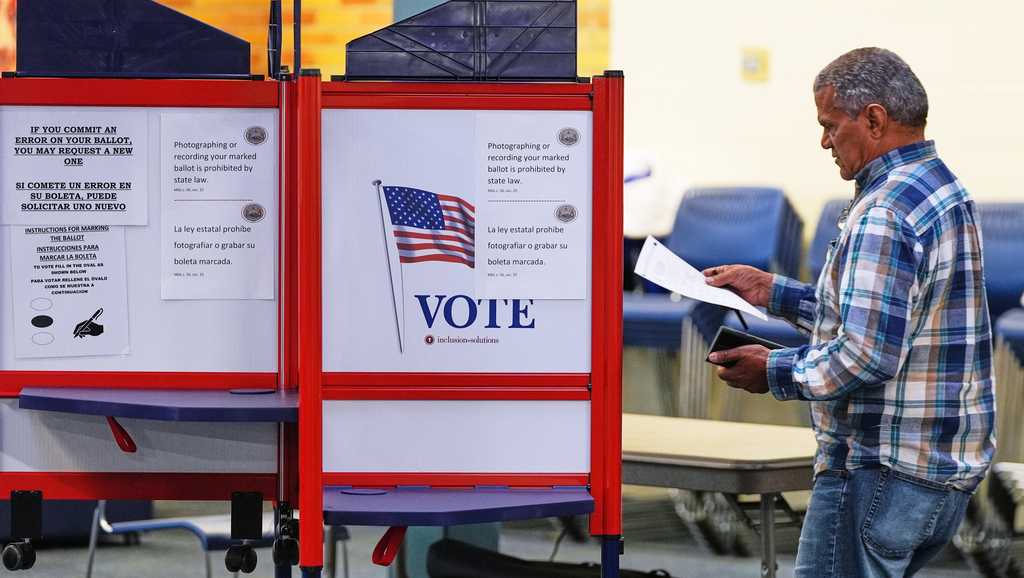
Reviewing sample ballots beforehand expedites the voting process and reduces queue times for fellow voters. Many municipalities permit voters to bring written notes or printed sample ballots into the voting booth to reference while marking their official selections.
2. Understand Electioneering Laws
State laws strictly prohibit electioneering—including the display of campaign paraphernalia, political buttons, candidate signs, or verbal advocacy—within a designated perimeter (typically 50 to 150 feet) of the entrance to a polling place. Voters wearing campaign apparel may be asked to cover or remove those items while inside the voting venue.
3. Accessibility Rights
Federal and state laws require polling places to be fully accessible to individuals with disabilities. Every polling location is equipped with accessible voting technology, such as ballot-marking devices with audio interfaces and large-print screens, to enable all eligible citizens to cast their votes independently and privately.
Strategic Analysis & Future Outlook
As election infrastructure continues to modernize, state election directors are placing greater emphasis on transparent reporting, real-time voter portal access, and multi-channel voter outreach. The integration of official address lookup engines, clear drop-box location maps, and public education campaigns reflects a broader commitment to removing operational barriers to participation.
Election officials remind citizens that official municipal websites and state secretaries of state remain the sole authoritative sources for verified polling location data. Voters experiencing issues at the polls or seeking immediate clarification on their registration status are encouraged to consult their city or town clerk prior to casting their ballot.
News & Media Credits: Information and media compiled from verified reports by WCVB, South Shore News, and Newport This Week. Image rights retained by respective publishers.