


Executive Summary: A Seasonal Pivot in Autumn Landscaping
For decades, autumn garden centers across North America have been dominated by sea of golden, copper, and deep red chrysanthemums. However, current landscape industry data and consumer demand signals indicate a major pivot in fall floral preferences. Lawn and garden enthusiasts are seeking alternatives that offer longer-lasting blooms, lower maintenance demands, and greater ecological value. Heading the list of rising stars is the late-season perennial staple: the aster.
With its daisy-like blossoms ranging from bright lavender and violet to deep blue and brilliant white, the aster is rapidly securing a central place in fall flower beds, container pots, and commercial landscape designs. Industry analysts note that heightened interest in biodiversity, native plant conservation, and sustainable gardening practices is driving this consumer shift, transforming late-summer and autumn garden aesthetics nationwide.

Market Dynamics: Consumer Demand Drives Retail Nursery Diversification
While potted mums remain a reliable seasonal commodity, commercial growers report a steady rise in retail nursery requests for late-blooming native perennials. Mums are frequently treated as short-lived annual decor rather than long-term garden investments because many garden-center varieties fail to survive harsh winter freezing when planted late in September.
In contrast, hardy perennial asters—such as New England asters (Symphyotrichum novae-angliae) and Smooth asters (Symphyotrichum laeve)—offer exceptional cold hardiness, returning dependably year after year. This key distinction is influencing suburban homeowners and urban container gardeners alike to rethink their seasonal budget allocations.

Ecological Superiority: Supporting Fall Pollinators
Beyond visual appeal and financial value, the surging popularity of asters is deeply tied to ecological awareness. September and October represent critical forage periods for migrating monarch butterflies, native bumblebees, and honeybees preparing for winter slumber. Many mass-market hybrid mums yield minimal pollen or accessible nectar due to dense double-bloom structures.
Native late-season bloomers like asters serve as vital ecological lifelines in fall, providing abundant high-protein pollen and rich nectar precisely when traditional nectar sources fade away.
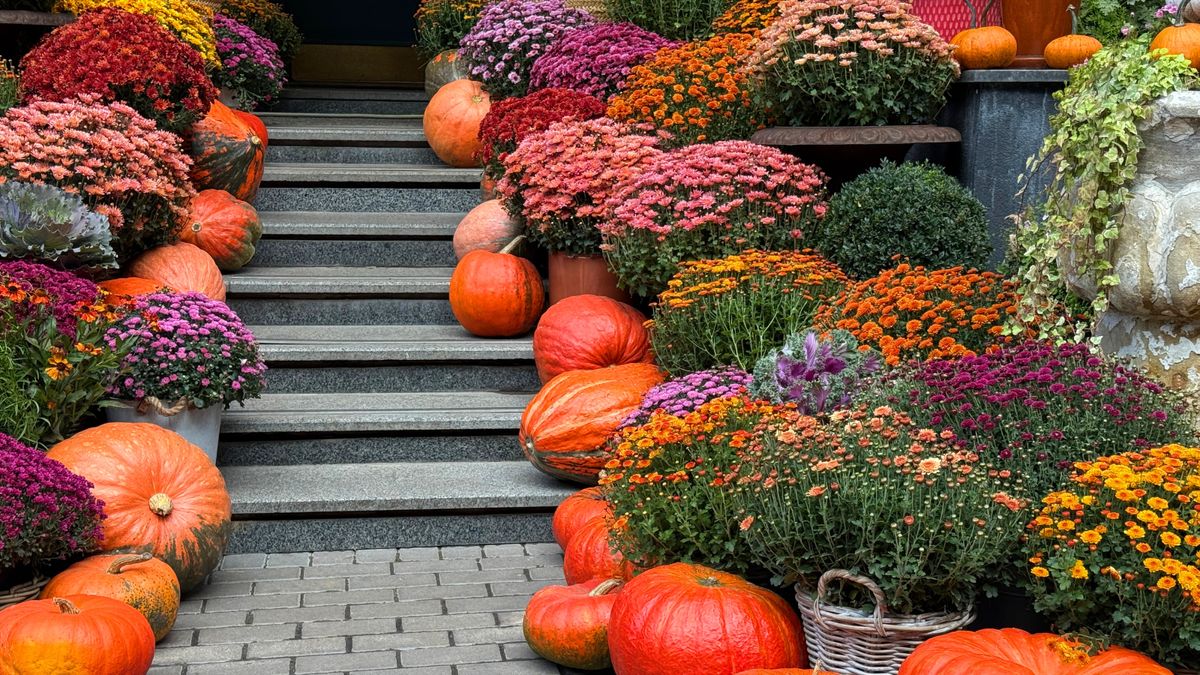
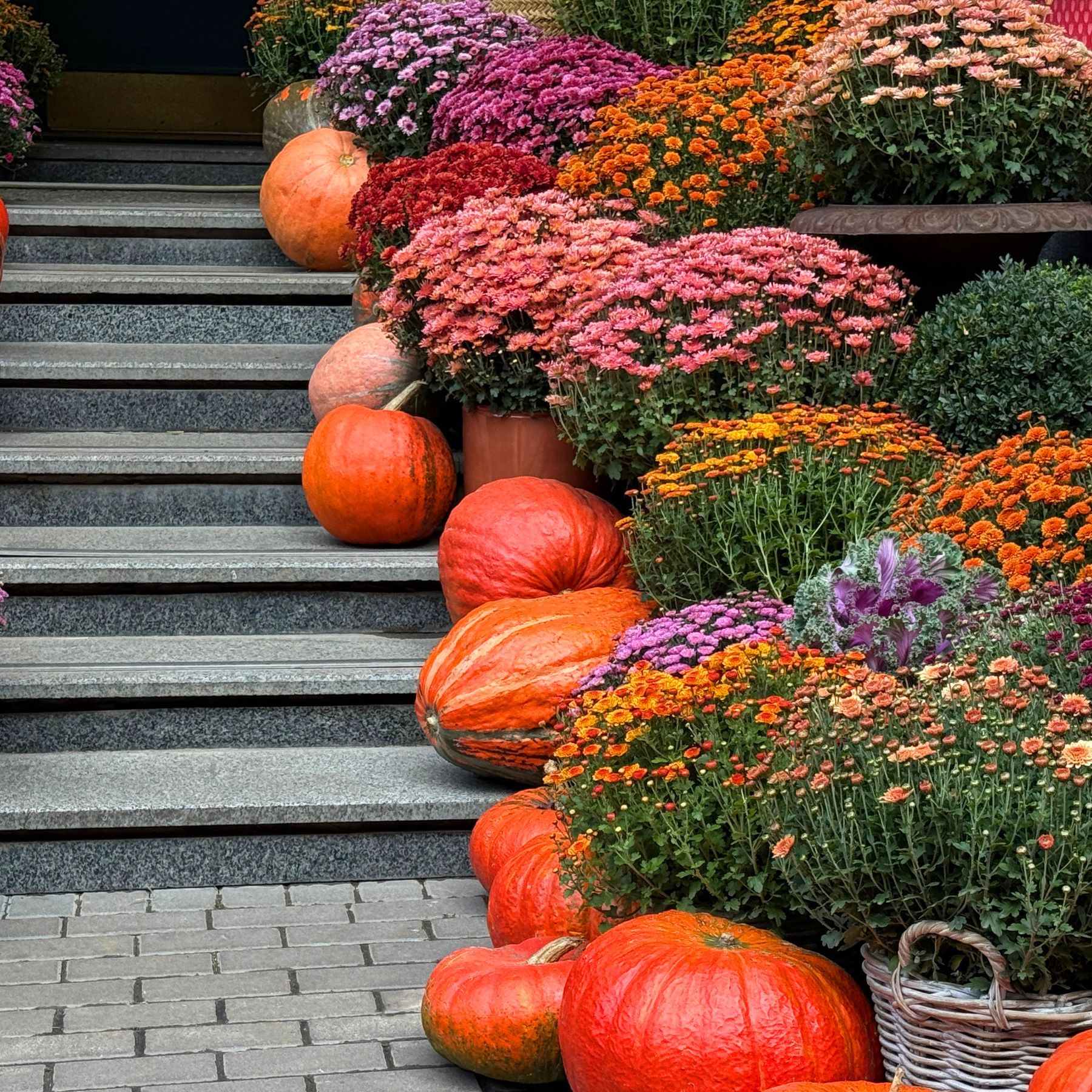
Botanical experts highlight that incorporating native asters alongside traditional fall displays fosters sustainable backyard ecosystems. The rich purple, blue, and magenta petals of asters provide an ideal color contrast against traditional orange pumpkins, yellow cornstalks, and bronze autumn foliage.
Optimal Fall Display & Container Styling Strategies
To maximize the decorative impact of asters during the fall retail window, horticulture specialists recommend adopting multi-textured layer design techniques in patio planters and garden borders:
- Color Contrast Synergy: Pair deep violet and lavender asters alongside gold-hued marigolds, ornamental kale, or classic yellow chrysanthemums for a striking high-contrast display.
- Texture Interplay: Combine the daisy-like form of asters with fine-textured ornamental grasses, such as fountain grass or switchgrass, to introduce dynamic movement and architectural depth.
- Container Placement: Position potted asters in locations receiving at least 6 hours of direct sunlight to prevent legginess and encourage dense, continuous flower production through late frost.
Long-Term Care Guidelines for Perennial Success
For gardeners looking to transition asters from seasonal planter displays into permanent yard features, nursery experts outline several critical steps to ensure survival and robust returns every spring:
1. Moisture and Soil Preparation
Asters thrive in well-draining soil enriched with organic compost. Consistent moisture is vital during the initial establishment phase in autumn, though waterlogging must be strictly avoided to prevent root rot.
2. Winter Overwintering Protocols
When planting asters into garden beds during September, spread a two-to-three-inch layer of organic mulch around the base to insulate root systems against freeze-thaw cycles. Allow the dried stems and seed heads to remain intact throughout winter; this provides seed forage for songbirds and extra frost protection for the crown.
3. Spring Pinching and Pruning
In early summer, pinch back growing tips by a few inches. This simple technique prevents tall asters from flopping over later in the season and encourages a bushier habit with double the quantity of fall flower buds.
Industry Outlook: The Future of Autumn Landscape Design
As sustainability continues to redefine modern residential landscaping, retail garden centers are expanding their autumn inventories to feature native late-blooming perennials. While chrysanthemums will maintain a steady presence in seasonal decor, asters represent a dynamic growing segment of the market that combines aesthetic longevity, eco-conscious gardening, and multi-season structural interest.
News & Media Credits: Information and media compiled from verified reports by Homes and Gardens, Country Living Magazine, and Yahoo Gardening. Image rights retained by respective publishers.