

Torrential Downpours Unleash Severe Flooding Across Vietnam
Unprecedented rainfall hit northern and central regions of Vietnam over the past 48 hours, triggering severe flash floods and rising river levels that have inundated hundreds of residential homes and washed away heavy transport vessels. Local emergency authorities report that three industrial barges were carried away by powerful currents along swollen river tributaries, severely complicating maritime safety and search-and-rescue operations.
The extreme weather event has left communities grappling with widespread power outages, disrupted transport routes, and rising water levels that threaten critical infrastructure. Meteorological agencies have issued urgent warnings indicating that heavy rainfall is projected to continue across the northern and central provinces for at least another week, compounding risks of further land instability and severe river flooding.
Heavy Damage and Maritime Disruptions
In several low-lying districts, floodwaters rapidly overwhelmed stormwater networks, submerging whole neighborhoods within hours. Families were forced to evacuate to higher ground or seek temporary refuge on the roofs of their dwellings as water levels escalated dramatically during overnight hours. Rescue workers equipped with motorboats have been deployed to extract vulnerable residents, including elderly individuals and small children, from inundated zones.
Among the most dramatic developments was the runaway movement of three cargo barges. Strong river currents tore the vessels from their moorings, sending them downstream and causing major hazards for downstream bridges and riverbanks. Maritime authorities and regional emergency units were dispatched immediately to secure the drifting barges and prevent catastrophic collisions with critical civil infrastructure.
"The sudden influx of floodwater overwhelmed our localized defense barriers within a matter of hours. Our primary priority remains ensuring human safety and preventing severe casualties as rescue teams navigate challenging water flow conditions."
Geographic Reach and Prolonged Weather Outlook
According to weather bulletins published by regional monitoring centers, the heaviest accumulation of precipitation is concentrated in key provinces across northern and central Vietnam. Satellite imagery and ground stations indicate that atmospheric low-pressure systems combined with strong monsoon winds are fueling relentless cloud developments over the Annamite Range and low-lying coastal plains.
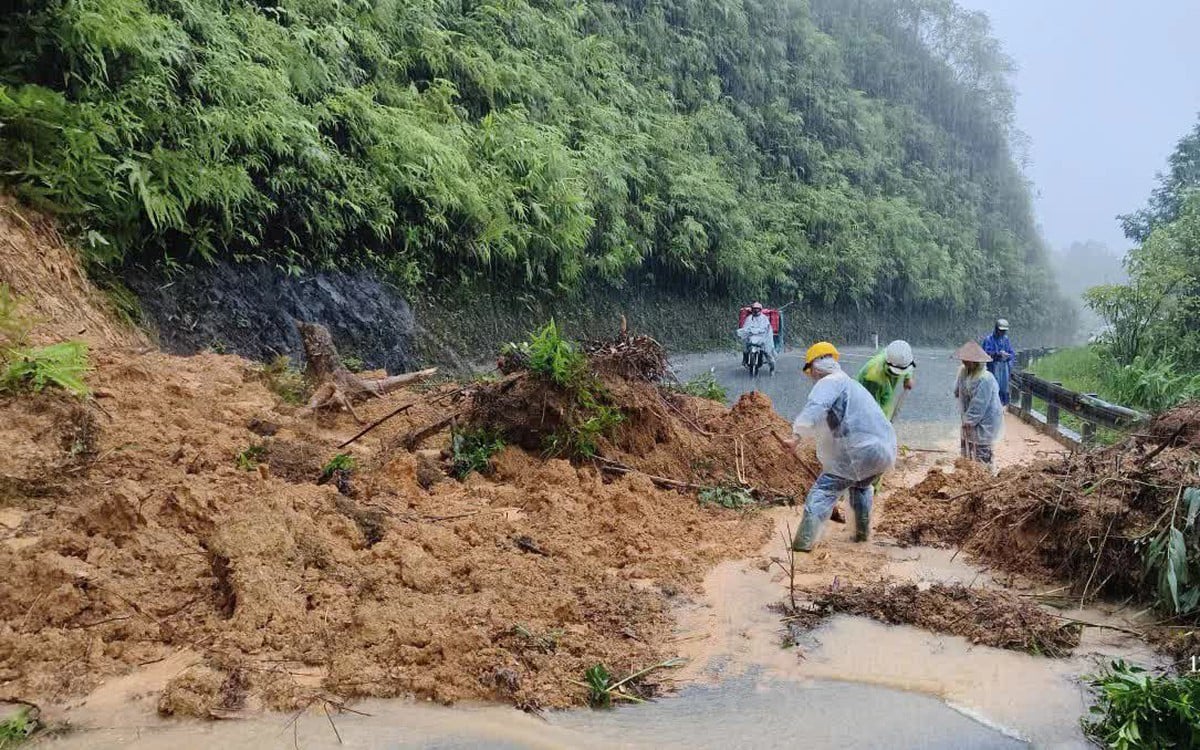
Meteorologists warn that saturated soil conditions throughout mountainous sectors significantly increase the risk of secondary disasters, including dangerous landslides and mudflows. Local administrative officials have urged residents near steep slopes and river valleys to maintain high vigilance and comply swiftly with mandatory evacuation orders issued by local task forces.
Key Impact Summary:
- Submerged Housing: Hundreds of single-story and agricultural dwellings submerged across multiple districts.
- Maritime Assets Lost: Three large industrial barges swept away by rapid water surges along major inland waterways.
- Transport Disruptions: Key provincial roads cut off by rising waters, mud accumulations, and fallen debris.
- Forecast Horizon: Weather authorities project continuous rainfall for at least seven consecutive days.
Economic Implications and Community Relief Efforts
Beyond immediate residential damage, the floods pose a significant threat to regional agricultural yields and local businesses. Thousands of hectares of agricultural crops, including rice paddies and vegetable plantations, remain underwater, raising concerns over potential supply chain disruptions and financial distress for rural farming households.
Government relief agencies, in coordination with social organizations and military personnel, have initiated humanitarian logistics campaigns to deliver emergency clean water, dry provisions, medical kits, and temporary shelter equipment to isolated communities. Field hospitals and mobile emergency health units are being established on high ground to prevent the spread of waterborne illnesses in flood-affected sectors.
Infrastructure Vulnerabilities and Long-Term Resilience
The severity of this flooding event highlights ongoing challenges regarding regional infrastructure resilience against climate anomalies. Urban planners and civil engineers emphasize that expanding urban footprints without adequate drainage enhancements amplifies surface runoff during intense precipitation events.
National and provincial authorities are actively evaluating long-term mitigation strategies, including the reinforcement of coastal and river dikes, implementation of automated real-time water level sensor networks, and upgrading urban flood control channels. As extreme weather events increase in frequency and intensity throughout Southeast Asia, local governance bodies are prioritizing adaptive infrastructure investments to safeguard communities against future hydrological hazards.
What Happens Next?
With heavy precipitation forecasted to endure over the next week, emergency command posts remain on high alert 24/7. Monitoring units are systematically assessing structural integrity along primary dikes, bridges, and reservoir dams to avert secondary structural failures. Residents in high-risk zones are advised to stay updated via official broadcast channels and keep emergency kits readily accessible.
News & Media Credits: Information and media compiled from verified reports by Vietnam.vn. Image rights retained by respective publishers.